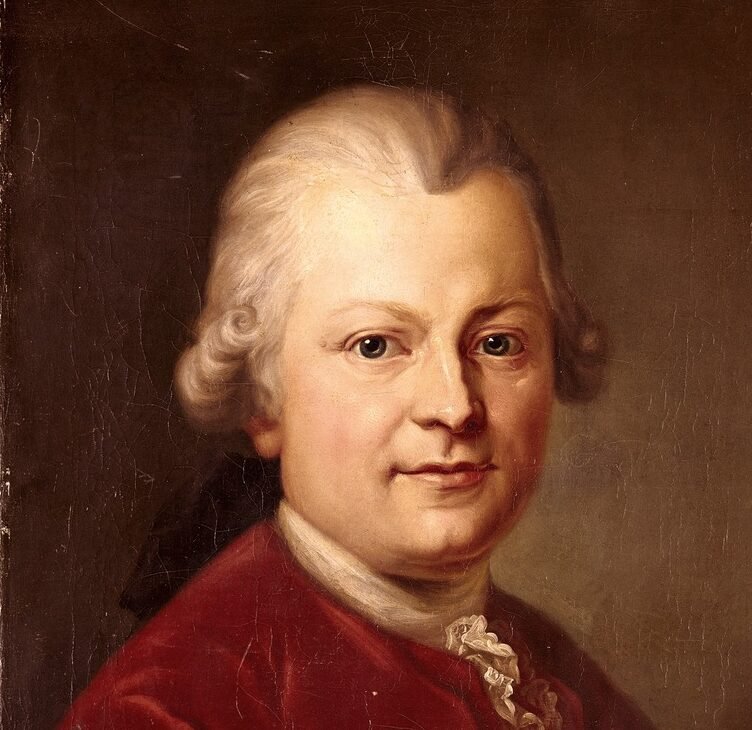
“Because nothing is great that is not true.” — The Hamburg Dramaturgy (1767, Reclam)
Between 1767 and 1769, Gotthold Ephraim Lessing served as the world’s first official dramaturg at the Hamburg National Theatre. His critical essays, published collectively as The Hamburg Dramaturgy, established the critical foundation of modern dramatic critique.
Lessing’s insights continue to illuminate narrative craft:
The Critic as Teacher: Lessing showed that real dramaturgy is neither praise nor condemnation; it is an act of diagnostic dissection. By showing why a scene fails to move the human heart, the dramaturg equips the writer with the tools to construct emotional truth.
Taking on the French Neoclassicists: Lessing waged an intellectual war against Voltaire and French court tragedy, which prioritized etiquette, rhymed couplets, and aristocratic posturing. Lessing argued that their rigid adherence to the “three unities” strangled authentic emotion.
The Nexus of Society and Drama: Lessing insisted that theater must reflect the genuine moral and social anxieties of everyday people, not just the heroic dilemmas of mythological monarchs. He democratized empathy on the stage.
Looking at Contemporary Film Through Lessing’s Eyes: If Lessing sat in a modern cinema, he would immediately dismantle hollow, CGI-heavy spectacles. He would demand to know where the human stakes reside, demonstrating that visual scale without emotional truth is an empty parlor trick.
Why Lessing Would Have Loved Chinatown: While Freytag would have balked at Chinatown‘s lack of classical moral resolution, Lessing would have applauded it. For Lessing, emotional truth reigns supreme. Chinatown strips away aristocratic illusions to expose raw institutional corruption and psychological ruin with unsparing honesty—precisely the unflinching human truth Lessing championed.
Why Lessing Still Matters Today
Lessing is the patron saint of the modern script doctor and dramaturg. When a story feels clinical, technically polished, but emotionally inert, Lessing’s critique offers the diagnosis: you have prioritized mechanics over psychological truth. Writers should use Lessing’s lens to interrogate their dialogue and character reactions, stripping away polite cinematic clichés until only raw, unvarnished human behavior remains.
Richard Walter is a distinguished storytelling teacher, film industry expert, and former co-chair of UCLA’s renowned TFT Graduate Program in Screenwriting. A screenwriter and published…
What happens when you apply the timeless logic of a PhD in Screenwriting to the frontier of Artificial Intelligence? At a recent internal Meta Hackathon,…