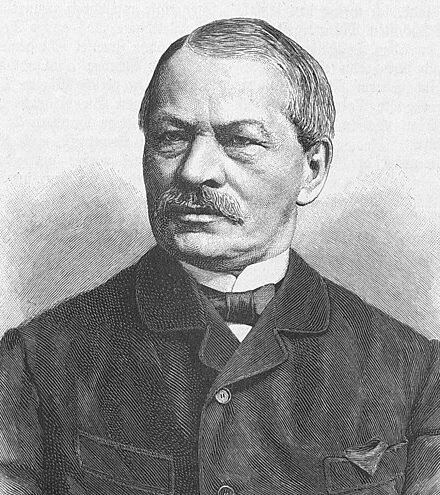
“The play should represent a complete action, which possesses a beginning, middle, and end.” — Die Technik des Dramas (1863)
In 1863, German novelist and playwright Gustav Freytag published Die Technik des Dramas, formalizing the structural architecture that still underpins modern dramatic theory. Visualizing dramatic progression as a five-part pyramid, Freytag provided writers with an architectural blueprint for narrative tension.
Freytag’s structural principles continue to drive high-stakes storytelling:
The Dramatic Pyramid: Freytag mapped story structure into distinct structural movements: Introduction, Inciting Incident, Rising Movement, Climax, Falling Action, and Catastrophe (or Resolution). Every dramatic scene exists solely to propel the protagonist along this trajectory.
The Turning Point as fulcrum: The climax is not merely an explosion or action sequence; it is the philosophical and psychological tipping point where the protagonist’s fortunes decisively change direction.
The Law of Catastrophe: In tragedy, the ending is not an arbitrary misfortune. It is the necessary, inevitable consequence of earlier actions, resolving the dramatic equation established in the first act.
Die Hard as Modern Freytag: John McTiernan’s Die Hard executes Freytag’s pyramid with textbook precision: the setup of an estranged marriage, the inciting seizure of Nakatomi Plaza, the rising counter-moves against Gruber, the roof-explosion climax, and the final cathartic resolution.
Structuring Episodic Engines: Even long-form television series rely on nested pyramids, using Freytag’s tension arcs across individual episodes while building toward season-long climactic turning points.
Why Freytag Still Matters Today
When a script loses momentum in the middle, the root cause is almost always structural: the rising action lacks progressive complications, or the central turning point is misplaced. Freytag provides the diagnostic grid to test your pacing, locate your midpoint fulcrum, and ensure that every beat builds unavoidable dramatic pressure toward the climax.
Richard Walter is a distinguished storytelling teacher, film industry expert, and former co-chair of UCLA’s renowned TFT Graduate Program in Screenwriting. A screenwriter and published…
What happens when you apply the timeless logic of a PhD in Screenwriting to the frontier of Artificial Intelligence? At a recent internal Meta Hackathon,…