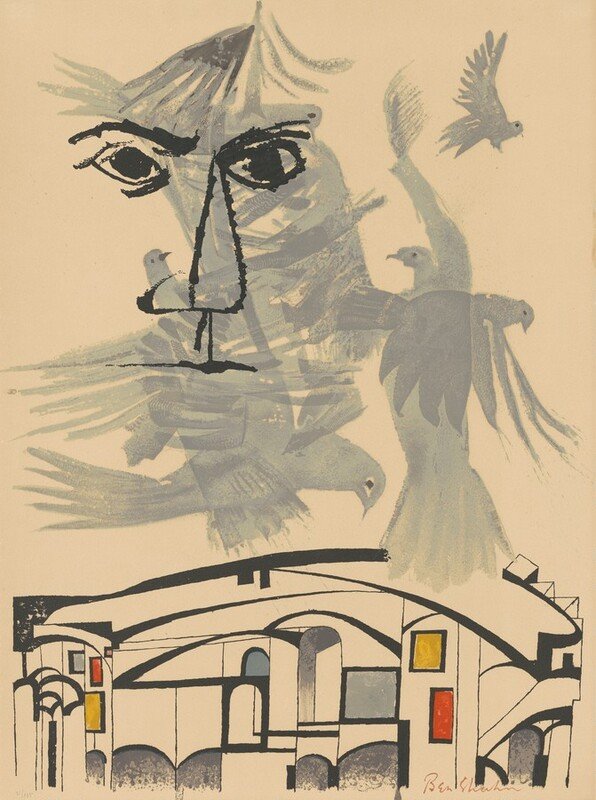
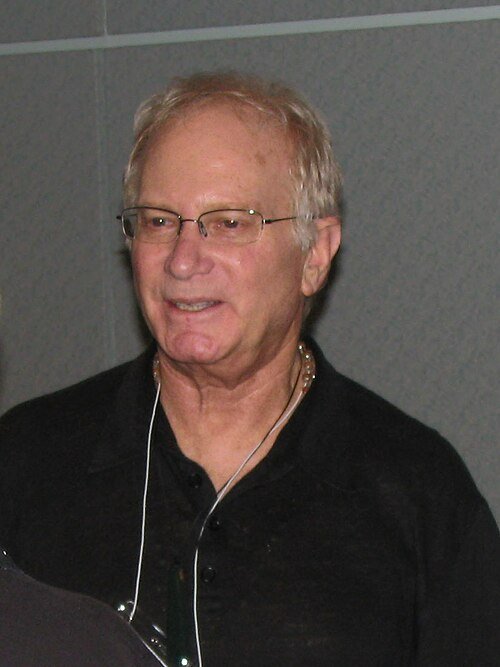
Book Cover Image of Birds over the City by Semyon Freilich (picture of author not available)
“Cinematic dramaturgy is thought in movement; the screen does not illustrate an idea, it thinks in conflicts and rhythm.” — The Theory of Cinema
Film scholar, critic, and theorist Semyon Freilich (Freijlich) provided one of the most rigorous analyses of cinematic form, bridging classic dramatic architecture with the specific visual mechanics of the moving image. Where theatrical dramaturgy relied heavily on spoken dialogue and stage geography, Freilich articulated how film dramaturgy functions as an autonomous perceptual system governed by visual conflict, montage rhythm, and ideological subtext.
Key structural principles from Freilich’s methodology:
The Dramatic Collision of the Shot: Drama in cinema is not merely what occurs within the frame; it is generated by the tension between successive visual compositions. A cut is never purely logistical—it must represent an ideological or emotional shift that forces the narrative forward.
Polyphonic Storytelling: Freilich examined how complex cinematic narratives weave multiple lines of action simultaneously. Rather than following a flat, linear trajectory, master screen narratives balance parallel themes that comment on and challenge each other.
Cinematic Detail as Conflict Anchor: Small physical details, framing choices, and camera movement are not ornamental. In Freilich’s analysis, cinematic objects and environmental shifts carry dramatic weight equal to spoken dialogue.
The Rhythm of Spectator Engagement: The temporal dimension of film demands deliberate pacing. Freilich explored how tension is sustained through the controlled withholding and revelation of narrative information across time.
Why Freilich Still Matters Today
In a media landscape increasingly dominated by rapid editing and disposable visual effects, Freilich grounds screenwriters and directors in the substantive syntax of visual storytelling. His framework ensures that a film’s form, pacing, and visual language work in direct synergy with character and premise.
In 1979, script reader, educator, and consultant Syd Field published Screenplay: The Foundations of Screenwriting, permanently changing how Hollywood and global storytellers think about cinematic…